Vortex Doors Celebrates 30 Years of Serving Salt Lake City Businesses
August 27, 2026 | Company News
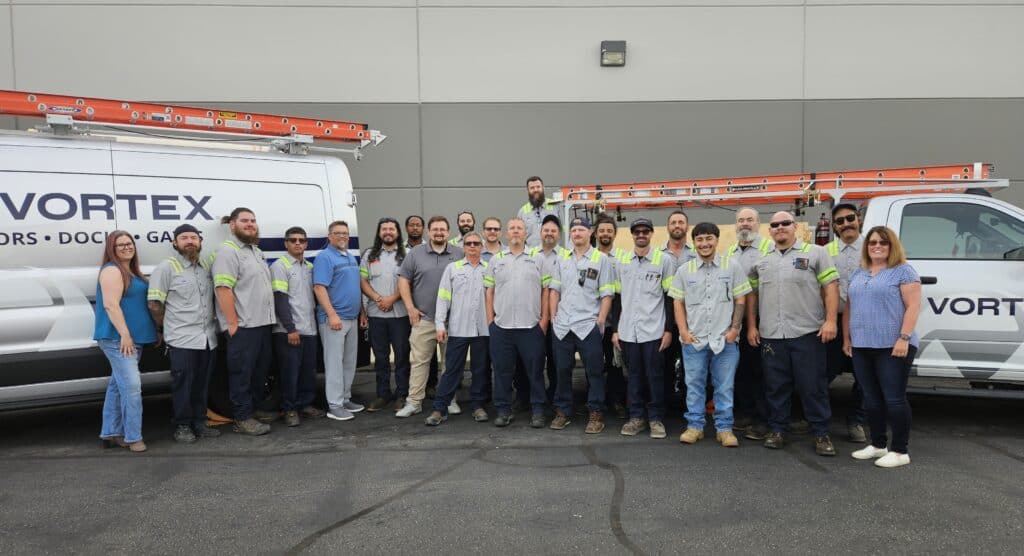
Vortex Doors is proud to celebrate the 30th anniversary of its Salt Lake City Service Center, marking three decades of helping businesses across Northern and Southern Utah keep their facilities safe, secure, and operating efficiently. In 2025, the company expanded its Utah footprint by opening a service location in St. George, allowing Vortex Doors to better serve businesses throughout Southern Utah while continuing its long standing commitment to customers across the state.
Since opening its doors in 1996, the Salt Lake City team has become a trusted partner for businesses across a wide range of industries, providing expert commercial door repair, commercial door installation, automatic door repair, fire door service, dock door repair, hangar door service, access control solutions, and proactive maintenance. The team is also known for providing same day service when requested, helping businesses minimize downtime when urgent repairs are needed. From office buildings and restaurants to warehouses, healthcare facilities, retail centers, aviation facilities, and industrial operations, Vortex Doors has built its reputation by delivering dependable service and long lasting solutions.
Over the past 30 years, the Salt Lake City Service Center has continued to grow alongside the community it serves. With experienced technicians, around the clock emergency service, same day service when requested, and a commitment to quality workmanship, the team has helped thousands of businesses minimize downtime and keep their facilities operating safely.
“Our customers trust us because they know we understand how important a functioning door system is to their daily operations,” said Ben C, Branch Manager of Vortex Doors Salt Lake. “For 30 years, our Salt Lake City team has demonstrated what makes Vortex different. They respond quickly, solve problems the right way, and build lasting relationships with the businesses they serve. We are incredibly proud of this milestone and grateful to every customer, employee, and community partner who has been part of our journey.”
The Salt Lake City Service Center provides comprehensive commercial door services, including:
- Commercial door repair
- Commercial door installation
- Automatic door repair
- Fire door inspection and repair
- Access control door solutions
- Dock door repair and service
- Commercial overhead door service
- Hangar door repair and service
- Restaurant and retail entrance door repair
- Office door repair
- Proactive maintenance programs
- Same day service when requested
As businesses throughout Utah continue to grow, Vortex Doors remains committed to investing in experienced technicians, advanced training, and industry leading services to support customers for decades to come. With the addition of its St. George Service Location, the company now provides local coverage for businesses throughout both Northern and Southern Utah, strengthening its ability to deliver fast, reliable commercial door service across the state.
The company extends its sincere appreciation to its customers, employees, and community partners whose continued trust and support have made this 30 year milestone possible.
About Vortex Doors
Vortex Doors’ goal is to be America’s highest quality and most customer centric commercial and industrial door services company. The company specializes in repair, maintenance, and installation services for commercial doors, industrial doors, automatic doors, entry doors, fire doors, dock equipment, security gates, hangar doors, access control systems, and other commercial door solutions. With service centers across the United States, Vortex Doors is committed to delivering responsive service, expert craftsmanship, reliable solutions, and same day service when requested to keep businesses operating safely and efficiently.
The Vortex Doors Salt Lake City team proudly serves businesses throughout Northern Utah with professional commercial door repair, installation, and maintenance services.
Want to SHARE this?
Categories
Popular Links
Related Content

Fully Certified and Accredited Commercial Door Experts