Is Your Access Control System Outdated? Signs It’s Time for an Upgrade
January 28, 2026 | Commercial Doors
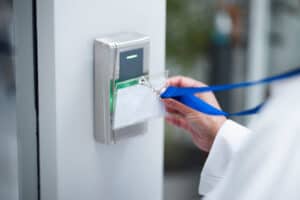
Too many businesses and institutions assume that as long as their access control system works, it’s still effective. That’s not always the case. Security threats are constantly evolving, so a system that protected you a few years ago may not be able to do so today. Furthermore, as your organization grows, its needs change. You may become subject to new regulations or find yourself grappling with complex challenges requiring new hardware and multi-tier safeguards. Failure to keep up could leave you vulnerable to theft, vandalism, and other forms of unauthorized activity. For their safety, businesses need to understand the signs their access control system is outdated and should be replaced in order to stay ahead of potential threats.
Why It’s Important To Keep Access Control Systems Up to Date
Managing a business in today’s environment requires secure, efficient, and seamless control over your property. Outdated systems not only create gaps for intruders, they can also cause unnecessary delays that keep your staff from carrying out their jobs in a timely and effective manner.
Modern access controls do more than open doors. New equipment allows them to scale and adapt, creating a security network that responds to your concerns and secures your operations as you expand into multiple buildings or even multiple locations.
Advancing technology has forced businesses to keep pace as threats become broader and more sophisticated. Updating your system helps prevent dishonest actors from bypassing your security protocols while ensuring staff and visitors aren’t weighed down with cumbersome and time-consuming procedures.
How Do I Know if My Current Access Control System Is Outdated?
The security landscape is changing so quickly that most access control systems have a relatively short lifespan. While regular maintenance and high-quality components help them last longer, the rate of hardware and software development means regular upgrades are the only way to ensure your property remains safe and secure. If you’re worried about controlling access to your business, here are the most common signs it’s time to bring your equipment up to date.
Security Breaches
Outdated access control systems are easy to exploit. Devices designed for old threats are easy to bypass with modern equipment. A break-in is the clearest indicator that it’s time to review and update your security measures, to prevent intruders from circumventing your entry control system and gaining access to your building again.
Malfunctions
A security system that can’t operate reliably cannot be trusted. A few of the problems you might encounter as systems near the end of their lifespan include:
- Rejection of Authorized Users
- Frequent False Alarms
- Unresponsive Scanners and Readers
If you manage users and control access from a central database, you may also experience an increasing number of computer errors and glitches. Outmoded programs may also have trouble communicating with security equipment, leading to patchy access logs.
Worn Hardware
Locks, keypads, scanners, card readers, and automatic openers are durable, but don’t last forever. Like all other mechanical devices, they wear down with repeated use. Systems attached to external doors, where they’re exposed to the elements, wear out even faster. Numbers on keypads fade away. Readers can’t detect RFID signals. Locks fail to activate. Scanners stop recognizing user data. While it’s possible to fix these problems, eventually replacing the unit is simply more effective.
Discontinued By Manufacturer
Once an access control system has been taken off the market, replacement parts become hard to procure. Integrating your security infrastructure is more of a challenge as well. Discontinued systems don’t always sync with new devices, which typically run on more powerful software. While a skilled technician can sometimes find inventive solutions to these problems, the amount of time and money required is normally so high that replacing the system is normally the best option.
Lack of Interoperability
Aging systems don’t work well with new technology. Modern security equipment (cameras, alarms, card readers, etc.) is designed to operate in sync, sharing and compiling data from multiple devices in order to present a comprehensive view of the activity within your facility. When an access control device can no longer communicate with other devices, it undermines the entire system.
Limited Flexibility
Old systems generally provided blanket permissions, allowing authorized users to access your building at any time. Modern systems, on the other hand, let you adjust permissions according to the requirements of your organization. You can grant access based on the role of your employees, as well as their job titles, departments, and security clearances. Centralized platforms even allow you to modify access according to day and time, limiting entry on holidays and after-hours. When your system is too rigid to respond to changing needs, then it’s time to consider upgrading.
Poor Tracking Abilities
Besides granting or denying permission, access control systems should be able to track the people entering and exiting your building. An accurate record not only helps you detect unauthorized access, but also makes it easier to monitor employee attendance and reconstruct events surrounding theft, vandalism, or security breaches. With outdated systems, assembling these types of reports is often a struggle. Data is patchy or incomplete, making it difficult to tell who accessed your building and when. Whether it occurs due to worn hardware outdated software (see above), installing a new system is normally the best way to resolve the issue.
Scalability Issues
A good access control system should be able to grow in tandem with your organization. If adding new rules, personnel, departments, and entry points leads to delays, errors, and software crashes, then it’s clear the system cannot handle your current user load and needs to be overhauled.
Reliance on Physical Keys
Keys are almost impossible to track. They can be lost, stolen, and easily duplicated, which makes it hard to tell how many people can access your building. Attempting to scale the system exacerbates these concerns. Assigning keys to more people or handing out keys to new doors simply leaves you more vulnerable. On the other hand, upgrading to a centralized network or cloud-based platform allows you to expand quickly, monitoring and managing access from a single location or even your smartphone.
Regulatory Requirements
In order to combat threats to privacy and public safety, state and federal agencies are constantly revising security guidelines for certain industries, such as defense, finance, and healthcare. Organizations subject to government oversight need to regularly audit their system in order to keep up to date with the latest developments. Otherwise they risk missing out on valuable contracts or becoming subject to legal penalties.
Call Vortex to Upgrade Your Access Control Systems
Navigating threats and challenges in today’s environment requires expert knowledge and technical assistance. That’s why, as part of our turnkey services, Vortex replaces and upgrades outdated, proprietary, and discontinued access control equipment.
Whether you’re looking for an IP or cloud-based platform, our technicians can help you find a system that fits your needs. From unlimited scaling to efficient management to flexible scheduling, remote administration, and real-time monitoring ‒ we’re committed to providing you with advanced, reliable, and user-friendly solutions. Contact us to start planning your upgrade today!
FAQs
What is the typical lifespan of an access control system?
The lifespan of access control systems depends on maintenance, software updates, and technological advances, not to mention the quality of the hardware. Most last 5-10 years, though regular upkeep can extend their lifespan.
How does upgrading my access control system help with regulatory compliance?
Updating your entry system restricts access to confidential data, critical infrastructure and sensitive assets ‒ an important feature for worksites regulated by state and federal government agencies, such as laboratories, data centers, and chemical plants.
Can I just replace my card readers or do I need a whole new system?
Yes, as long as the new reader is compatible with your existing infrastructure, then it is possible to replace a damaged or malfunctioning card reader without replacing the entire system.
What type of threats do access control systems protect me from?
Access control systems are designed to prevent unauthorized entry and the dangers stemming from it, namely theft, vandalism, and possibly violence. By providing you with the ability to manage user credentials in real-time, they let you respond quickly to security threats such as compromised keycodes, cloned keycards, and lost or stolen fobs.
Want to SHARE this?
Categories

Popular Links
Related Content


Fully Certified & Accredited Commercial Door Experts