Door Closer Adjustments: When They’re Needed and Why Expertise Matters
January 14, 2026 | Commercial Doors
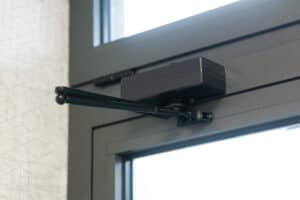 Closers regulate your doors’ movement, ensuring they close safely and reliably, and remain secure and accessible without colliding with walls, objects, and people. Made from aluminum or high-grade steel, closers are extremely durable and often operate for years without any problem. However, repeated use and mechanical stress can degrade their performance, leading to safety and security concerns. To ensure entrances comply with building codes and the Americans with Disabilities Act (ADA), business owners and property managers should know when they need to call a professional for a door closer adjustment.
Why Door Closer Adjustments are Necessary
Commercial door closers play an important role in your building, one that’s often overlooked. By preventing doors from opening and closing too quickly, they:
- Help Secure Your Property. Doors are the primary means of security for most businesses and organizations, providing a solid barrier against unauthorized entry. However, they cannot perform their job if they don’t latch properly. Faulty door closers can prevent entrances from shutting fully, allowing anyone to open them with a simple push.
- Ensure ADA Compliance. According to the ADA, doors need to take at least five seconds to swing from 90 to 12 degrees when closing. When opening, users shouldn’t need to apply more than five pounds of force to an internal door and ten pounds to an external one. If your closer isn’t properly calibrated, you may be subject to legal liability.
- Prevent Accidents. Closers control your door’s opening and closing speed. If the door requires too little force, it might fly open so quickly it could hurt someone standing behind it. If it’s improperly calibrated, it might close too fast and strike the user before they’ve passed through.
- Protect Lives. During a fire, doors help contain smoke and flames, allowing people to evacuate safely. Doors that don’t latch can’t fulfill this function, potentially jeopardizing evacuation routes and putting people’s lives at risk.
Age is the most common reason why closers malfunction. However, closers that have been installed incorrectly can also develop problems. Impacts, worn seals, and misaligned doors or frames can cause issues as well. Unless you have experience working with this type of hardware, identifying the source of the problem can be difficult, so it is best to consult a professional if your door closer doesn’t behave as expected.
When Door Closer Adjustments Are Needed
Door closers are controlled by three hydraulic valves: sweep, latching, and backcheck. Signs these valves need to be adjusted are simple and easy to spot. Watch for doors that:
- Close Too Quickly. Indicates the sweep valve, which determines the main speed of the door, is too loose and needs to be tightened.
- Close Too Slowly. Indicates the sweep valve is too tight and needs to be loosened.
- Slam Shut. Closers slow the door as it swings from 90 to 12 degrees (also known as its latch point). Then they’re supposed to increase speed so the latch clicks firmly into place. If the door is slamming against the frame, the latching valve is too loose, allowing the door to gather speed too quickly as it swings shut.
- Won’t Latch. Occurs when the latching valve doesn’t have enough power to shut the door firmly. The valve is too tight, preventing the door from closing fast enough.
- Are Hard to Open. Indicates that either the sweep or backcheck valve is too tight, preventing the door from opening with the required pressure. (The backcheck valve is an optional feature, which prevents the door from opening too fast.)
- Oil Leakage. A sign of a problem with the unit’s internal hydraulic system, normally caused by a misalignment, broken seals, or excessive wear.
Door closers can also close too quickly due to loss of hydraulic pressure, normally caused by a loose or damaged seal. If you notice oil leaking out of the unit, then the unit probably doesn’t have enough pressure to function. While a technician may be able to repair the unit by replacing the O-rings and refilling the hydraulic fluid, often it’s more cost-effective to simply replace it.
Why Adjusting Door Closers Requires Professional Help
Though they may appear simple, commercial door closers are complex devices, with a number of delicate parts held under pressure. Attempting to adjust them without the proper tools or training can lead to:
- Injury. Closers contain powerful springs. Professionals understand how to adjust springs without releasing them, preventing a sudden snap back that could seriously hurt an untrained individual.
- Code Violations. Small adjustments can have serious consequences, allowing the door to close too quickly or too slowly. Professionals know how to test and monitor door speed, so they operate in accordance with fire codes and ADA guidelines.
- Permanent Damage. Broken seals can render closers completely inoperable. Professionals who work with closers on a regular basis understand how to tighten hydraulic valves correctly, without rupturing their seals.
Without the right equipment or background, adjusting a door closer on your own can lead to serious complications and potential injuries. For your own safety, as well as the safety of your staff, visitors, and tenants, contact a qualified professional rather than attempting to handle the job on your own or entrusting it to an employee.
Door Closer Maintenance and Repair
As part of our mission to ensure your doors are safe, secure, and compliant with federal, state, and local guidelines, Vortex inspects and troubleshoots all types of commercial door closers. Besides inspecting their seals, we adjust and test their basic functions to make sure they open and close with the recommended speed and force. We can even replace worn and damaged parts with new components fabricated to manufacturer specifications, or re-calibrate closers that weren’t installed correctly. Don’t let a bad closer leave you vulnerable to safety and building code violations. Contact us today to schedule your next service visit!
Want to SHARE this?
Categories
Popular Links
Related Content
Fully Certified and Accredited Commercial Door Experts